
Wednesday, October 7, 2026
Open today 4 PM - 11 PM
Wednesday, October 7, 2026
Open today 4 PM - 11 PM
Paul D. Bartlett, Sr. Lecture Series
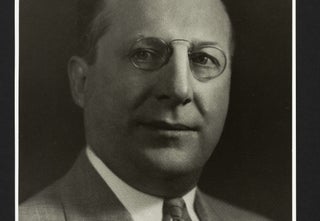
About the Paul D. Bartlett, Sr. Lecture Series
The annual Paul D. Bartlett, Sr. Lecture was established in 2003 to bring the finest university professors to speak on subjects related to the Library´s collections. Paul D. Bartlett, Sr. was the first chairman of the Board of Trustees of the Linda Hall Library. Under his leadership the Halls’ bequest for the creation of a public library in Kansas City was used to establish this library devoted to science, engineering, and technology. Mr. Bartlett served on the Board until his death in 1964.
The lecture series is presented by the Linda Hall Library in association with the Harvard-Radcliffe, Yale, and Princeton alumni clubs of Kansas City.
24th Annual Paul D. Bartlett, Sr. Lecture | September 24, 2026
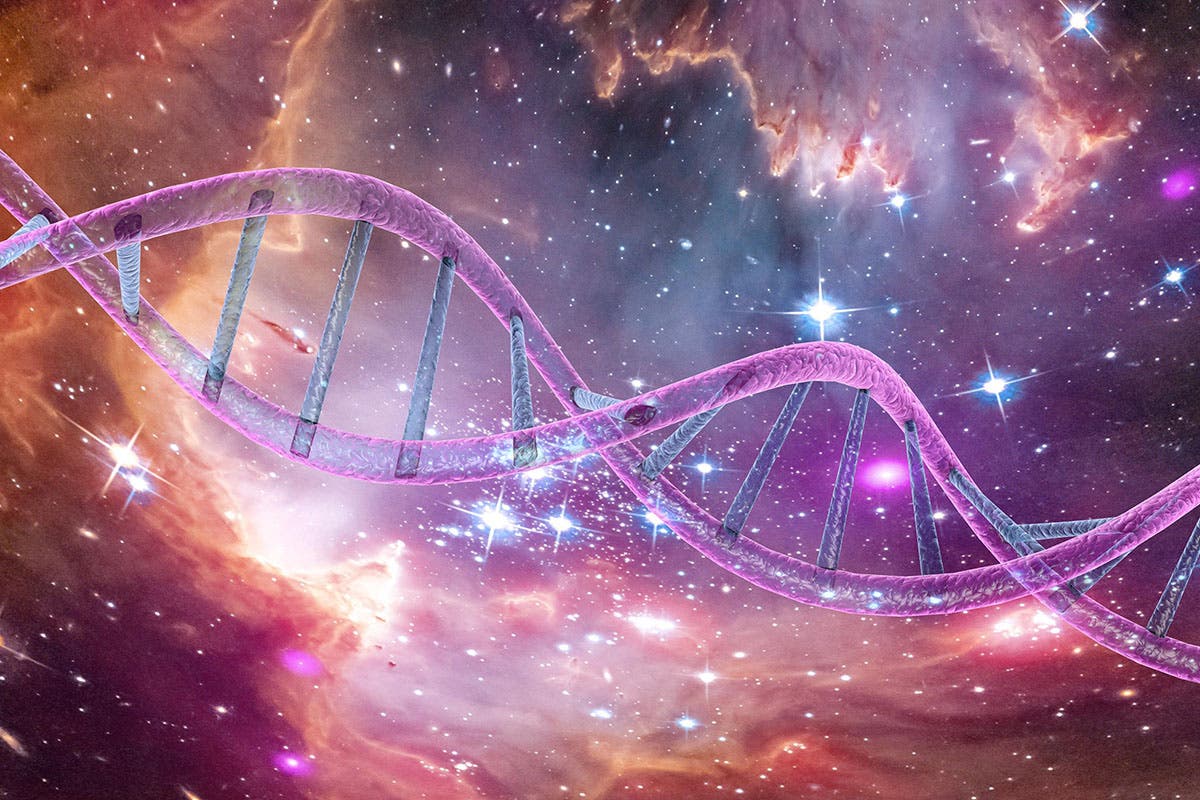
Spaceflight stresses the human body in ways we can’t replicate on Earth. In orbit, we observe rapid bone and muscle loss, a weakened immune system, and biological processes that resemble accelerated aging.
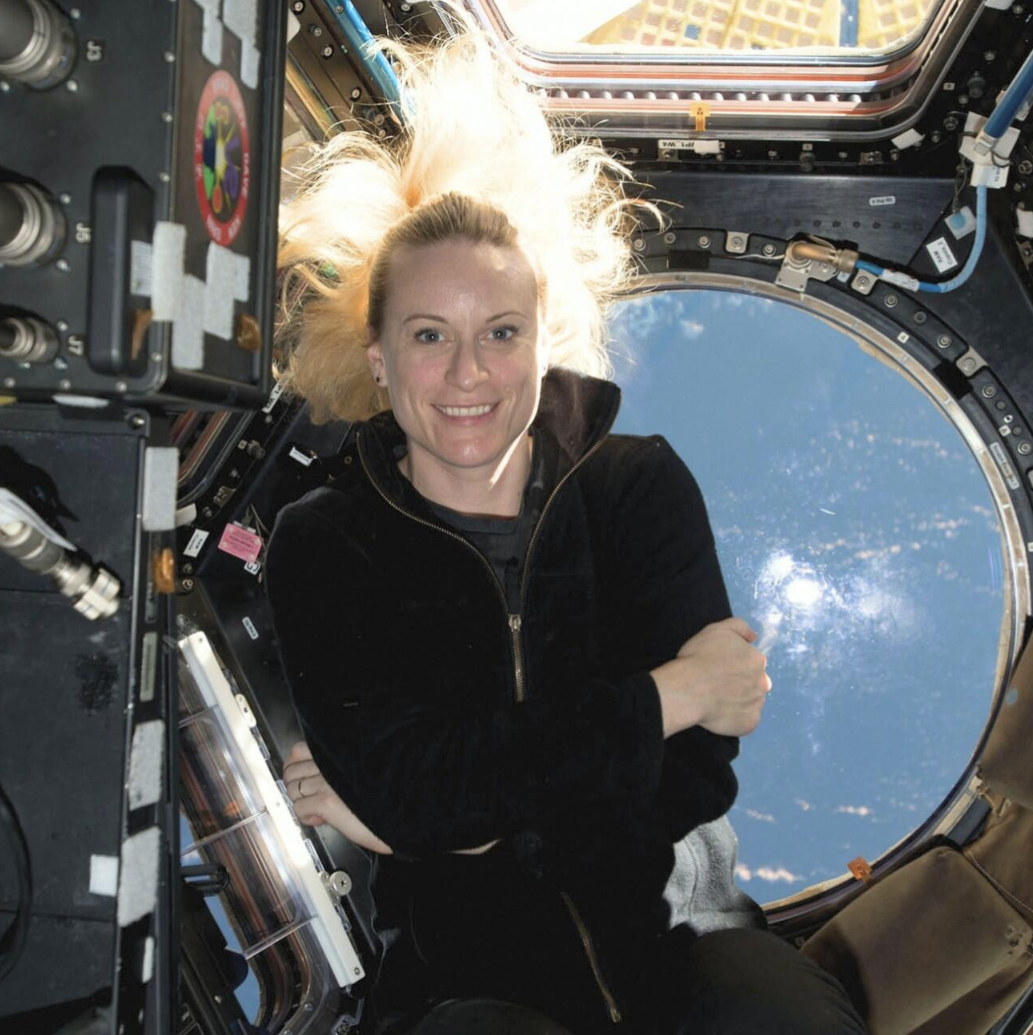
Drawing on her International Space Station research, including the first DNA sequencing performed in orbit, Dr. Kate Rubins explores how portable sequencing and other tools help translate discoveries made in space into insight for aging and chronic disease on Earth.
The Speaker
Kate Rubins is a world-renowned expert in molecular and cellular biology for use in low-Earth orbit and low-resource environments. At Stanford, she co-developed the first smallpox animal model and genomic tools for high-consequence viral diseases. At MIT, she mapped the poxvirus transcriptome and led mpox fieldwork in the Democratic Republic of Congo.
While serving as a NASA astronaut from 2009-2025, Dr. Rubins led the development of molecular techniques for human health in space and served as Deputy Director for NASA Health and Human Performance. Her 300 days on the International Space Station included four spacewalks, the first DNA sequencing in space, and microgravity research on cardiomyocytes, organoids, and synthetic biology.
Professor Rubins received a BS in molecular biology from the University of California, San Diego, and a PhD in cancer biology from Stanford University Medical School.

Past Lectures
2025: Deep Secrets of the North American Continent: New Geophysical Imaging of the USA, Maureen Long, Yale University
2024: Building the Future for People and Planet, Sigrid Adriaenssens, Princeton University
2023: The Search for Extraterrestrial Life and Our Future in the Stars, Avi Loeb, Harvard University
2022: Biomedical Engineering and Medicines of the Future, Mark Saltzman, Yale University
2021: Tiny Conspiracies: Cell-to-Cell Communication in Bacteria, Bonnie Bassler, Princeton University
2020: The Goodness Paradox: The Strange Relationship Between Virtue and Violence in Human Evolution, Richard Wrangham, Harvard University
2019: Cosmic Tremors: The Quest for Colliding Black Holes, Priya Natarajan, Yale University
2018: How the Social Brain Builds Itself, But Sometimes Doesn't: The Biological Roots of Autism, Sam Wang, Princeton University
2017: What Darwin Didn't Know: Evolution Since the Origin of Species, Andrew Berry, Harvard University
2016: The Evolution of Beauty, Richard Prum, Yale University
2015: TMI: Identity and Privacy in the Digital Age, Edward Felten, Princeton University
2014: The Lost Art of Finding our Way, John Huth, Harvard University
2013: The Particle at the End of the Universe: The Hunt for the Higgs Boson, Sean Carroll, Califonia Institute of Technology
2012: The Evolution of Economic Irrationality: Insights from Monkeys, Laurie Santos, Yale University
2011: Who Discovered the Periodic Table? The Anatomy of a Priority Dispute, Michael Gordin, Princeton University
2010: Catching Fire: How Cooking Made Us Human, Richard Wrangham, Harvard University
2009: How to See a Black Hole, Charles Bailyn, Yale University
2008: From Cold Quicksilver to Levitating Trains: The History and Promise of Superconductivity, Robert Cava, Princeton University
2007: The Theory of Everything, Brian Greene, Columbia University
2006: Cosmology, Quantum Mechanics, and Free Will, David Layzer, Harvard University
2005: Meteorite Impacts and Extinctions, Karl Turekian, Yale University
2004: The Extravagant Universe, Robert Kirshner, Harvard University
2003: Structure as an Art Form, David Billington, Princeton University
