Friday, October 16, 2026
Open today 4 PM - 11 PM
Friday, October 16, 2026
Open today 4 PM - 11 PM
Current Fellows
The 2026-2027 cohort includes researchers based in the United States, Brazil, Colombia, France, Indonesia, Italy, Switzerland, and the United Kingdom. These doctoral students, postdoctoral scholars, and independent researchers will use the Library’s holdings to investigate the history of science, technology, and engineering. Their projects reflect the breadth and depth of our collections.
This year, The Linda Hall also offers several specialized research fellowships:
- Francesca Gibson, a graduate student at the University of California, Santa Cruz, received the History of Science and Medicine Fellowship, which has been jointly sponsored by the Linda Hall Library and the Clendening History of Medicine Library at the University of Kansas Medical Center since 2019.
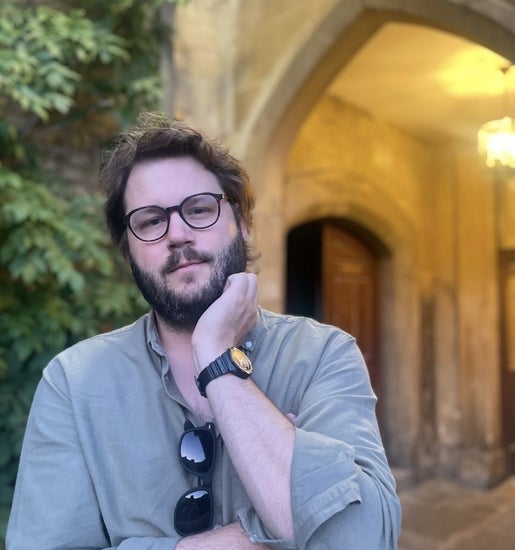
- Sebastián Díaz Angel and Sean Seyer received the Pearson Fellowship in Aerospace History, which honors the life and legacy of aerospace engineer Jerome Pearson. This fellowship provides funding to scholars studying any aspect of aerospace history.
- Allison Marsh received the Presidential Fellowship in Bibliography, which supports research that focuses on the study of books and manuscripts as physical artifacts.
More information about our fellows and their research projects can be found below.
Former Fellows
We have welcomed over one hundred research fellows since 2011, including scholars from 22 countries on six continents. Our fellows come from a variety of professional backgrounds, but they all used our collections to explore the ways science, technology, and engineering have transformed our world. Find out more about their investigations by clicking here.
2026-27 The Linda Hall Fellows
Cartographies of Containment: Science, Survey, and the Scientific Enclosure of Aceh
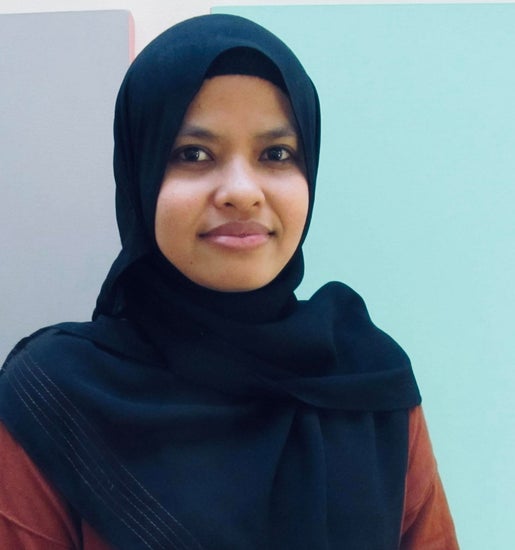
Myra Mentari Abubakar is a cultural historian and academic researcher, currently serving as a visiting fellow at Dept of History, National University of Singapore and a Research Affiliate at the International Centre for Aceh and Indian Ocean Studies (ICAIOS). She holds a PhD in Gender, Media and Cultural Studies from the Australian National University. Her broader scholarship explores Southeast Asian memory politics, material culture, and commemorative practices. Building on this foundation, her current work examines the visual and material culture of science, empire, and memory in the Malay and Indonesian worlds, tracing how historical narratives and colonial spaces are physically and scientifically constructed.
During her Linda Hall fellowship, she will develop Cartographies of Containment, a project examining how European spatial science helped make Aceh legible to imperial rule. Beginning with the Dutch navigator Frederick de Houtman during his imprisonment in Aceh (1599–1601) and extending through hydrographic surveys and the cartography of the Aceh War, the study traces how star atlases, sea charts, and survey maps became tools of colonial knowledge. Drawing on the Library's collections in astronomy, cartography, and engineering, the project asks how scientific representations helped transform a contested frontier into a governable space.

Synthetic Affliction: Climate change, Synthetic Rubber, and Disease on the Asian Natural Rubber Belt
Aida Arosoaie is a PhD Candidate in Anthropology at the University of Wisconsin-Madison, who uses multi-sited mixed methodology—namely, archival research, oral history, ethnography, and collaboration—to examine the interplay between technoscience, resource extraction, racial capitalism, and postcolonial agendas of justice across South and Southeast Asia. By exploring how the interrelations between natural rubber cultivation, the transformation of forestry, and the global consolidation of synthetic rubber production over the past century have played out in Malaysia and beyond, her research analyzes the ecological formations and geopolitical frictions produced through the interactions of competing modes of resource extraction. Aida’s doctoral research has been funded by the Wenner-Gren Foundation and the National Science Foundation, as well as various research centers at the University of Wisconsin-Madison. She is the recipient of the 2025 Roy Rappaport Prize from the Anthropology & Environment Society of the American Anthropological Association and the 2025-2026 Genevieve Gorst Herfurth Award for Outstanding Research in the Social Sciences offered by the Sciences Divisional Committee at the University of Wisconsin-Madison. Her most recent work has been published in Environmental Humanities and Science & Education.
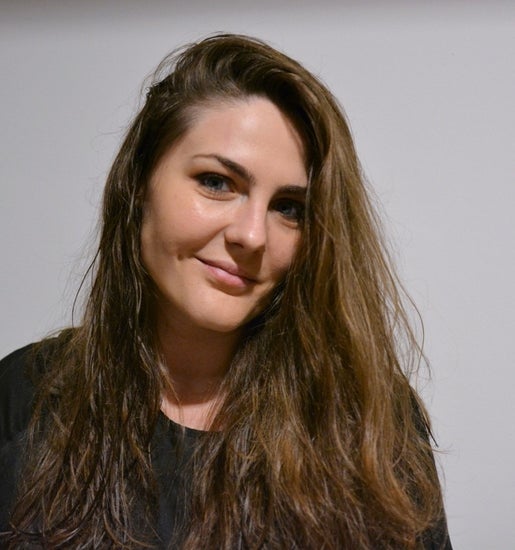
Liz is a human-environment geographer examining the spatial, material, and legal politics of mine reclamation across the United States. This specific project concerns how the Commonwealth of Pennsylvania incorporated the remediation of hazardous byproducts of coal mining (namely acid mine drainage (AMD) and coal refuse) into mid-to-late 20th century infrastructural and public health projects. She is specifically interested in how the relationships between chemical change and value are understood by different actors across different historical periods. During her fellowship, she will examine holdings pertaining to coal gasification, alternative fuels, wastewater treatment, the petrochemical and coal industries, the coal waste-to-energy industry and electric utilities. To this end, she will examine how the aforementioned processes and substances relate to shifting relationships between and environmental management goals of scientists, civil society organizations, and the state.
Prior to her fellowship at The Linda Hall, Liz received her PhD in Geography from the University of California, Los Angeles and was the Price-Cain Postdoctoral Fellow at the Beckman Center for the History of Chemistry at the Science History Institute. In January 2027, she will begin an appointment as an Assistant Professor of Human-Environment Geography at the University of Nevada, Reno.
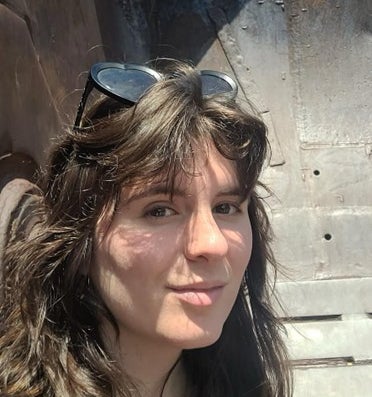
Camden Burd is an assistant professor of history at Clemson University where he teaches on topics related to environmental history and the digital humanities. He received his PhD from the University of Rochester. Broadly speaking, his research explores the tangled histories of nature, capitalism, and culture in nineteenth and twentieth-century America. His first book, The Roots of Flower City: Horticulture, Empire, and the Remaking of Rochester, New York examines the role of plant nurserymen situated in Rochester, New York – the epicenter of the plant trade during that time.
The fellowship at The Linda Hall will provide Burd with the time and resources to make headway on his new project, The Nature of Neoliberalism: Deindustrialization, Austerity, and the Remaking of the American Landscape. The United States of America at the close of the twentieth century and the opening of the twenty-first was defined by a new political and economic consensus. Often referred to as neoliberalism, advocates of this system pushed for global trade, financialization, a diminished role for the state, and the primacy of markets for addressing the country’s social problems. The policies associated with neoliberalism encouraged domestic deindustrialization and fueled the rise of austerity measures at the national and local level. While scholars have begun the process of outlining the histories of neoliberalism, deindustrialization, and austerity politics, little attention has been given to the environmental aspects of these dramatic economic and political changes. Burd’s current book project, The Nature of Neoliberalism, seeks to remedy this omission. By focusing on the American Midwest—the region most associated with deindustrialization— he intends to examine the connection between the new political and economic regime of neoliberalism and its effect on the natural landscape.
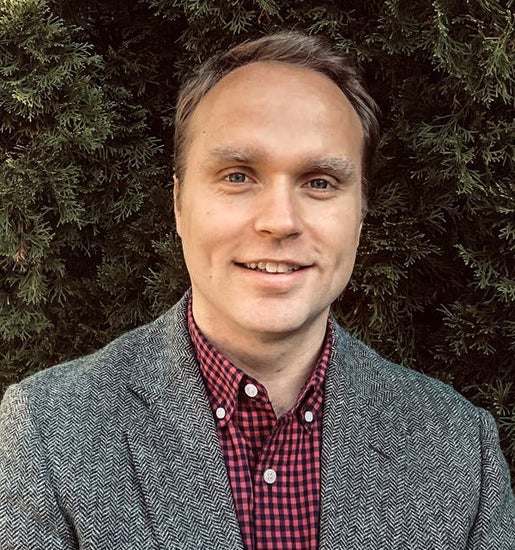
Ann Campbell completed her PhD in the Department of History and Philosophy of Science and Medicine at Indiana University Bloomington. Her dissertation explores the scientific career of eighteenth-century French naturalist Louis-Jean-Marie Daubenton in comparative anatomy, animal husbandry, and mineralogy. As an eighteenth-centuryist and a historian of geology, she has also explored the coproduction of systems of Earth history and political economy in the Scottish Enlightenment through the works of James Hutton and Adam Smith.
Ann’s fellowship project at The Linda Hall extends her research on Daubenton’s mineralogy to that of his student and collaborator René Just Haüy, and the foundations of structuralism in zoology and mineralogy at the Paris natural history museum. Having established a structural and descriptive approach to natural history in his comparative anatomy of animals, Daubenton applied this practice to mineral identification, giving primacy to the structure of the whole mineral specimen, rejecting chemical analysis for mineralogy and the displacement of natural history by the physical sciences. As Daubenton’s student, Haüy embraced this structural approach and established a method of crystallography which described the basic geometric forms in minerals, much like Daubenton had done for animals, which Daubenton incorporated this into his subsequent work on mineral identification. This project explores the mineralogical and crystallographic work of Haüy and how it draws on and contributes to the work of Daubenton. It pays special attention to the tension between Daubenton’s hesitation towards bringing the physical sciences into natural history and Haüy’s capacity to make contributions to both arenas.
Fertilizer Research and Agricultural Development in the Postwar TVA
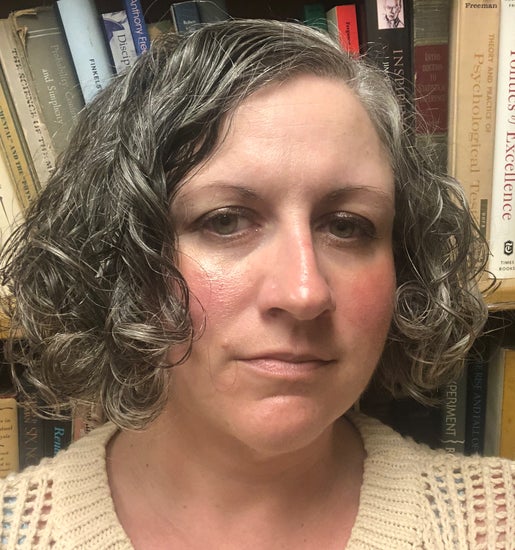
Dr. Gabriel Coleman (they/them) is an environmental historian, musician, and artist from Northfield, Minnesota based in Dublin, Ireland. Their work is concerned with connecting people with their environment through creative storytelling about agriculture, water, and personal histories of place. Their PhD thesis 'Carrying Capacity: Nitrogen and the Intensification of Irish Pasture Systems, 1945-2007' explored the development of Ireland's contemporary agricultural industry using actor-network theory and energy history approaches. They are currently a member of the International Nitrogen Network's Governance Working Group (iN-Net).
Gabriel's fellowship will be used to examine the Tennessee Valley Authority's postwar agricultural development initiatives through an energy history lens, focusing on fertilizer research and manufacturing in particular. The project will use TVA publications within The Linda Hall's collection to assess how the Authority's interventions within the Tennessee Valley region informed later international development programs within the Marshall Plan and the Green Revolution.
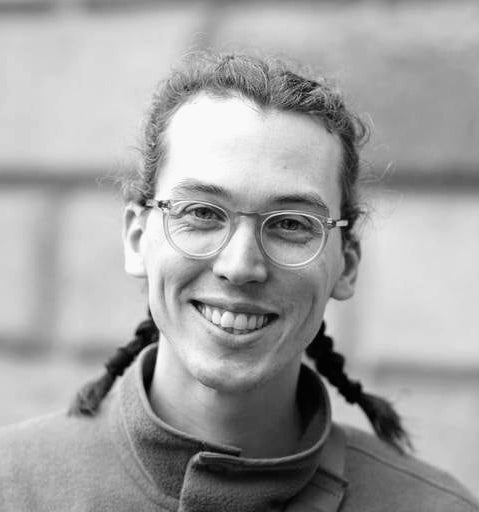
Thomas C. Cornillie is an independent scholar whose work explores the historical evolution of passenger rail and public transportation, with a particular focus on how past institutional, technical, and policy decisions shape present-day mobility challenges. His research examines the long arc of railway development, including its engineering traditions, regulatory frameworks, and shifting public purposes, and draws on these historical insights to inform contemporary debates on service planning, governance, and infrastructure investment. Cornillie’s scholarship has appeared in peer-reviewed transportation and law journals, where he has contributed analyses of intercity rail policy, commuter rail restoration, transit operations, and railway engineering. His article “Amtrak After PRIIA” offered a historically grounded policy framework that anticipated later reforms in national passenger rail strategy. Cornillie holds a Master of Urban Planning from the University of Illinois at Urbana Champaign and a Bachelor of Arts from the University of Michigan. His academic work is complemented by practical experience across multiple passenger rail contexts, which strengthens his ability to translate historical lessons into actionable planning and analytical approaches. A recipient of the Watford Fellowship, he remains active in the research community through publications, conference presentations, and participation in national transportation organizations, contributing to a deeper understanding of how historical systems can inform the future of railroad transportation.
A History of the Ecological Turn in Global Health: Between Integration and Resistance
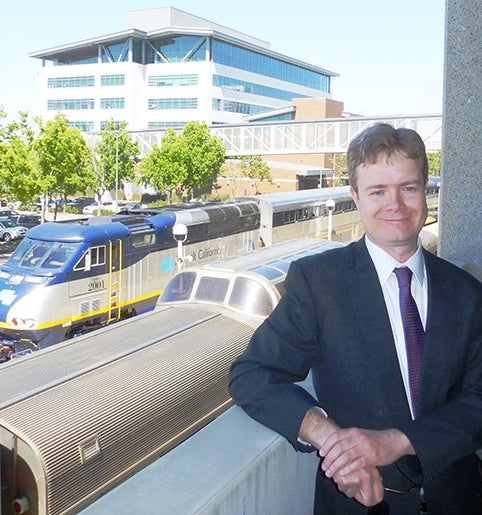
Marcos Cueto is a historian of science and medicine specializing in Latin America and international health. He earned his PhD from Columbia University and has served as a visiting professor at the Universities of Chicago, Harvard, Princeton, and Shanghai. In 2019, he coauthored a book on the history of the World Health Organization with Theodore Brown and Elizabeth Fee, published by Cambridge University Press. His 2016 book History of Medicine and Public Health in Latin America (with Steven Palmer) received the George Rosen Award from the American Association for the History of Medicine. From 2021 to 2025, he was President of the Division of History of Science and Technology (DHST). He is currently Professor of the History of Health at the Casa de Oswaldo Cruz, Fiocruz Institute, in Rio de Janeiro, Brazil.
At The Linda Hall, he will examine how mounting environmental concerns influenced global health thinking and policy from the late twentieth century onward during the 1990s and beyond. A growing body of conferences and interdisciplinary publications at the Library illustrates how global health was gradually reshaped by concerns over climate change and pollution, while climate experts, in turn, refined their discourses on global health. He plans to work with The Linda Hall’s Green Reads Collection—curated by the Library’s staff—with particular attention to works that intersect with global health. In addition, he has identified titles outside this Collection, especially conference proceedings on health and climate change, which are difficult to access in many libraries, and which will help trace environmental and health concerns both prior to and beyond the 1990s.
By Eye and by Hand: Embodied Measurements at the Dawn of Modernity
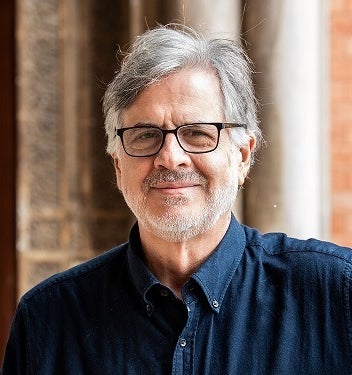
Lucia Delaini is a scholar of Renaissance rhetoric and intellectual history. She earned her PhD in Rhetoric from Northwestern University, where she studied embodied techniques of memory in sixteenth-century Italy, and was subsequently a Postdoctoral Fellow at the Italian Academy for Advanced Studies in America at Columbia University. Her research examines how Renaissance thinkers understood the relationship between body, mind, and knowledge, with particular attention to the practical disciplines through which cognition was cultivated and enacted.
At the Linda Hall, Delaini will pursue a project on practices of measurement in early modern Europe. Drawing on treatises in engineering, surveying, military science, and related fields, she investigates how measurement relied not only on instruments and mathematical procedures but also on trained perception, bodily habits, and sensory judgment. By reconstructing the embodied techniques through which Renaissance practitioners transformed the material world into data, her work seeks to illuminate a neglected dimension of the epistemic foundations of modern science.
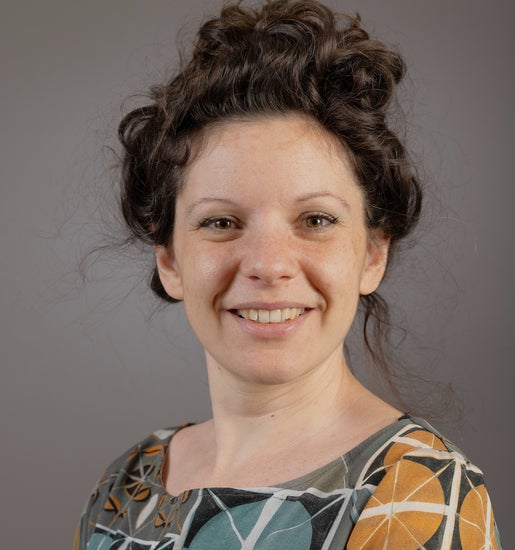
Sebastián Díaz Angel is a postdoctoral researcher at the Institut d'Història de la Ciència, Universitat Autònoma de Barcelona, and holds a PhD in History from Cornell University (2023). His research focuses on the intersection of historical cartography, environmental history, and science and technology studies. Díaz Angel coordinates Razón Cartográfica, a network dedicated to the history of geographies and cartographies of Colombia.
During his fellowship at The Linda Hall, Díaz Angel examines how Side-Looking Airborne Radar (SLAR) technology, originally developed for military surveillance, fundamentally transformed the territorial governance of tropical frontiers in Latin America. The project illuminates the paradoxical legacy of Cold War aerospace technologies that became foundational tools for environmental monitoring and conservation, addressing critical questions about technological sovereignty, environmental governance, and surveillance in the Global South that remain relevant today.
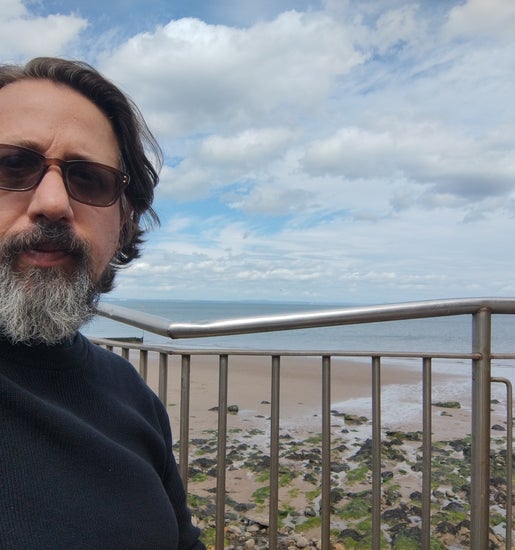
Hysterical Conceptions: Reproduction, Madness, and Empire in the Long Eighteenth Century
Francesca Gibson is a PhD student in the History Department at the University of California, Santa Cruz. Her research broadly centers on early modern science and medicine, the British Atlantic World, gender, and the relationship between the mind and body. Her current project examines how early modern theories of mental disorder—particularly those linking women’s reproductive capacities to forms of madness—shaped emerging ideas about bodily autonomy, rational selfhood, and political authority across the British imperial network.
During her fellowship at The Linda Hall and the Clendening History of Medicine Library, Gibson will pursue research on the circulation of medical knowledge between Britain and its North American and Caribbean colonies. Utilizing the libraries' collections of obstetrical treatises, medical manuals, natural philosophical works, and travel narratives, she will explore how ideas about hysteria, maternal imagination, and reproductive disorder moved across these trans-Atlantic circuits. By analyzing printed medical texts alongside visual representations of madness and childbirth, this project investigates how Enlightenment notions of “reason” developed in tandem with the expansion of Atlantic slavery and colonial medicine, ultimately shaping gendered and racialized understandings of rational personhood.
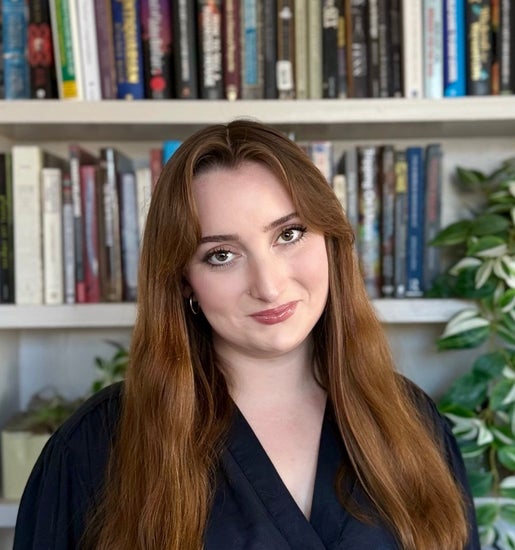
Jennie Jiang is a PhD candidate in Women’s, Gender, and Sexuality Studies at Rutgers University. Her research examines the histories of chemical engineering and agricultural practice that have enabled the rise of ultra-processed foods, drawing on scholarship in feminist and decolonial science and technology studies, racial capitalism, and political ecologies. Her dissertation project, tentatively titled “Scaling Ultra-Processed Foods: Soy, Chemicalized Capitalism, and the Metabolic Pathways of U.S. Empire,” traces a genealogy of ultra-processed foods that links their emergence not only to the long histories of dispossession wrought by monocropping and the consolidation of agribusiness, but also the science and technology of food processing developed to generate value from agricultural surplus. Jennie has been a Mellon/ACLS Dissertation Innovation Fellow and a fellow in the Center for Cultural Analysis at Rutgers University. As a fellow at The Linda Hall, Jennie will draw upon the Library’s extensive holdings in the history of food and chemical engineering, including industry papers and publications from chemists and food technologists, to investigate how food processing science and technology have approached food as substance over the course of the twentieth century.
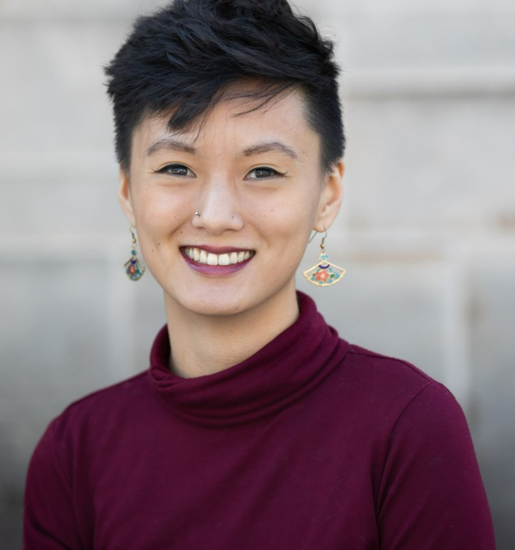
Errant Objects in the Book(s) of Nature
Lena Kasten is a PhD candidate at the International Max Planck Research School (IMPRS) Knowledge and Its Resources: Historical Reciprocities, at the Max Planck Institute for the History of Science and the Media Studies Department at Humboldt University in Berlin. Her dissertation project builds on the history of error in the humanities and the natural sciences. It foregrounds the material and embodied dimensions in which error manifests in order to extend its historiography through a media-theoretical perspective. The project compares three types of objects linked through a shared semantics of errancy from the seventeenth to the twentieth century: misplaced printing types resulting in printing errors (“errata”), glacier transported erratic boulders (“erratics”), and wandering celestial bodies (“stellae errantes”). In doing so, it connects the history of printing with the histories of geology and astronomy. Through selected case studies, practices of observing and reading serve as a lens for examining how irregularities — apparent “errors in the book of nature” — become perceptible and how they influence processes of knowledge production. During her fellowship, Lena will work with The Linda Hall’s extensive holdings in early modern astronomy, print culture, and nineteenth-century geology. Her research focuses in particular on the library’s three extant copies of Galileo Galilei’s Sidereus Nuncius, examining how observations of wandering celestial bodies (“stelle erranti”) are mediated, visualized, and circulated through typographic and pictorial means, shaping a scientific object ultimately known as Jupiter’s moons.
The Sewer that Never Was: Urban Waste Water Management in Beirut (1958-1990)
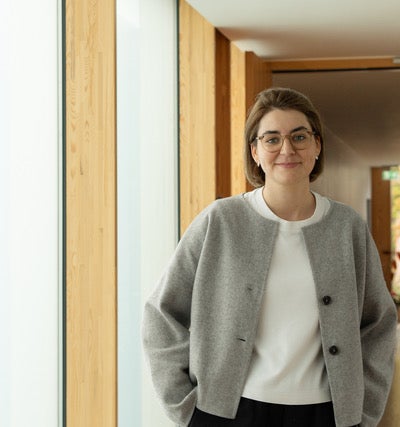
Aleksandra Kobiljski is Senior Research Fellow (Directrice de recherches) at the French National Center for Scientific Research (CNRS). Trained as a historian with dual specialization in modern Japan and the Middle East, she led an ERC-funded project on the history of engineering and non-disruptive innovation in nineteenth-century Japan (2020–2027). In her next project, she will be shifting her focus to the Middle East while retaining the same passion for understanding how things were made to work — or not. The research project will start with a focus on the urban sanitation infrastructure in Cold War and Civil War Beirut.
As a Linda Hall Fellow, she will draw on the Library's unparalleled holdings in mid-twentieth-century sanitation engineering standards, international development conference proceedings, and Arabic-language technical publications — many no longer accessible in Lebanon — to develop a research project on Beirut's long-failing wastewater system. Her inquiry focuses on the period between 1958, when Lebanon's first comprehensive infrastructure planning emerged under the presidency of Fouad Chehab, and 1990, when the civil war officially ended. By tracing how nascent sanitation systems failed to materialize, the project seeks to understand the contrast between the underground blind spot of public service provision and the cosmopolitan modernism visible in Beirut's above-ground development. This fellowship supports the early research stage for a European Research Council grant proposal and bringing her passion for plumbing to its logical conclusion.
The Promise of the Past: Science, Empire, and Victorian Biblical Archaeology
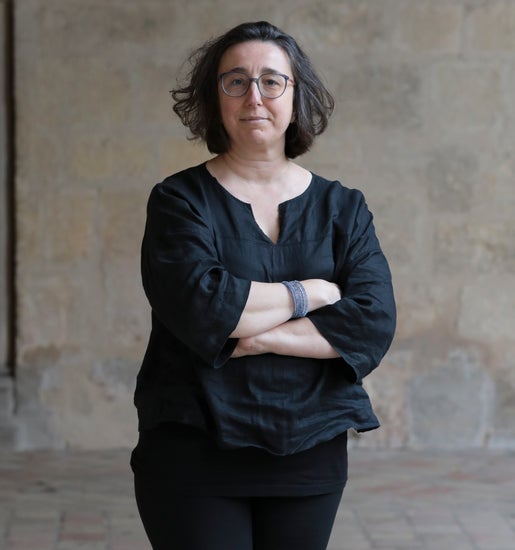
Faridah Laffan is a PhD Candidate at Cornell University. Her dissertation on the history of “biblical archaeology” explores relationships between science, religion, empire, and printing cultures in the nineteenth century. During her fellowship, Faridah will access the Linda Hall Library’s records of 19th century excavations, as well as its considerable materials on bibliography and print technologies. These materials, particularly the Library’s full copy of Napoleon Bonaparte’s Description de l’Egypte, will allow her to track how biblical archaeologists publicized their disciplinary shift from linguistic decipherment and textual analysis—a major priority early on—to material excavation at the turn of the century.
Time machines: chronometry, observatories, and the global circulation of precision industry
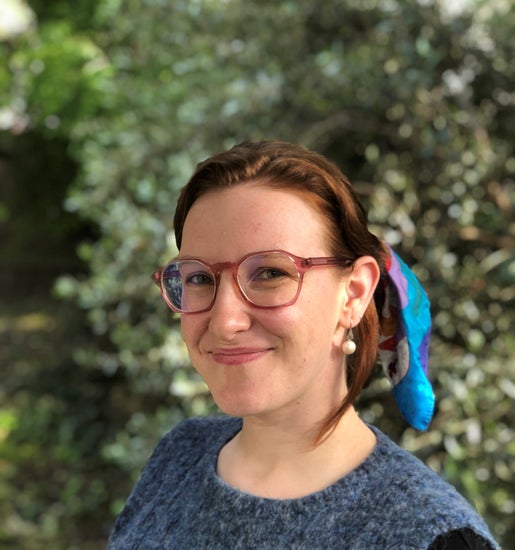
Sabina Luz is a Brazilian historian of science whose work explores the history of astronomy, timekeeping, and scientific instrumentation in Brazil and Latin America, with a focus on the intersections of science, technology, the circulation of knowledge and material culture. She earned her PhD in History from the Federal University of the State of Rio de Janeiro in 2023. Her dissertation, From the Castle Balloon to the Eiffel Tower: The Creation of an International Radio-Telegraphic Time System and the National Observatory’s Time Service (1880–1922), examined the role played by the globalization of a standardized time system based on wireless telegraphic signals in the incorporation of new instruments and technologies into the time service of the National Observatory in Brazil, demonstrating how global scientific standards benefited European instrument makers.
At The Linda Hall, she will conduct research on the development and circulation of chronometric scientific instruments in nineteenth century between Europe and Brazil. Exploring the library's exceptional collections on chronometry, horology, and the history of precision instrument makers in Europe and the United States, including specialized journals, trade catalogues, and patent records, as well as the institutional publications of Brazil's National Observatory, she will trace the history of technological achievement within a highly specialized global market of time production.
How Engineers Organized Their Library
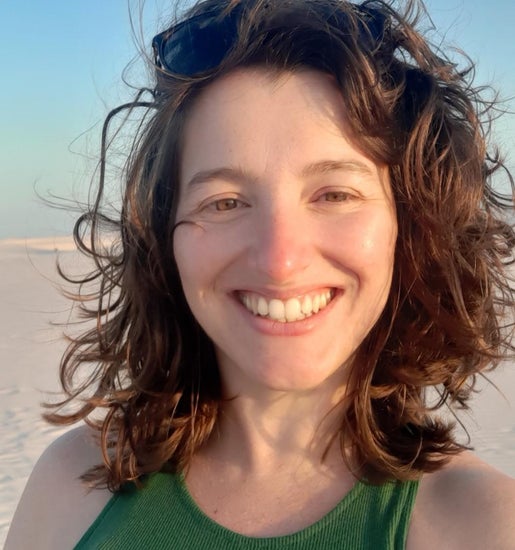
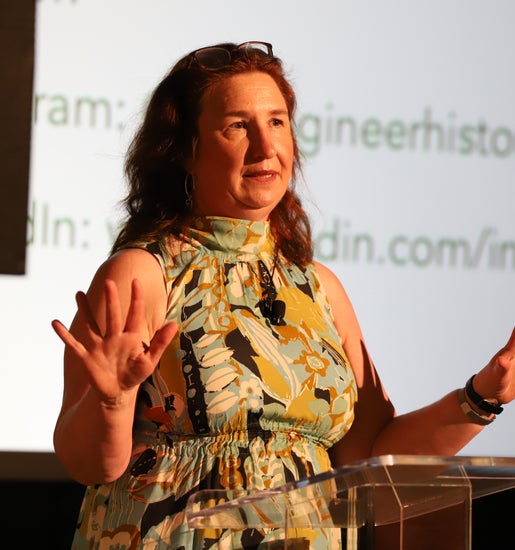
Allison Marsh combines her interests in engineering, history, and museums to tell stories of technology through historical artifacts. She likes to think of history as a Trojan horse to reach audiences who may not want to learn about tech. Her main research interests revolve around how the general public comes to understand complex engineering ideas, especially outside the classroom—through museums, documentaries, TV shows, and so on. She writes the monthly “Past Forward” column for Spectrum, and she was the consultant for the Crash Course History of Science series. She is an associate professor at the University of South Carolina where she is the co-director of the Ann Johnson Institute for Science, Technology & Society. Before coming to USC, she was curator and Winton M. Blount Research Chair at the Smithsonian Institution National Postal Museum.
In the early 20th century, the five founding engineering societies (Mechanical, Electrical, Mining, Civil, and Chemical) merged their libraries into a single working library for engineers, called the Engineering Societies Library (ESL). The ESL contained books, periodicals, pamphlets, and bibliographies. At its peak, the ESL handled over sixty thousand inquiries a year and delivered over one million photocopies to users across the US and Canada. In 1995, with the Internet increasingly displacing print for working engineers, the Engineering Societies transferred approximately 360,000 volumes to the Linda Hall Library for Science, Engineering and Technology in Kansas City. As The Linda Hall’s 2027 Presidential Fellow in Bibliography, Marsh will examine the collection of bound materials of the ESL to see how engineers chose to organize their subject matter expertise in a manner that was most useful for working engineers.
Climate Change, Agriculture, and the Sociotechnical Imagination: Rice Cultivation in California
Suzanne Moon is Lukas N. Walker Presidential Professor in the History of Science, Technology, and Medicine at the University of Oklahoma. She studies the history of technology, especially in Southeast Asia and has a long-standing interest in the history of technological change in agriculture. Her 2023 book Technology in Southeast Asian History from Johns Hopkins University Press, explores longue durée change in agriculture, among other topics.
Her project at The Linda Hall investigates how technological change in agriculture taken to address climate-related challenges is shaped by past practices and older sociotechnical imaginaries of adaptation. She will explore the introduction and adaptation of rice agriculture to the environment of California’s Central Valley and explore how adaptation efforts have or have not shifted in response to climate change. Drawing attention away from new or high-tech innovation in the dynamics of climate response, she will explore continuities with the long-term process of co-production of crops and environments.

Sergio Orozco-Echeverri is Full Professor (profesor titular) at the Institute of Philosophy of the University of Antioquia (Colombia), Director of the research group Knowledge, Philosophy, Science, History and Society (Category A, Minciencias, 2026) and Editor of Estudios de Filosofía. He is a Fellow of the Royal Historical Society, with training in physics and philosophy. Andholds a PhD in Science and Technology Studies from the University of Edinburgh, UK. He has held research and teaching positions in Colombia, Argentina, Germany, Belgium, Italy, England, and Scotland, and serves as a visiting professor at Justus-Liebig-Universität Gießen (Germany) and as a member of the Executive Committee of Scientiae. His previous fellowships include positions as Research Fellow at the Science Studies Unit of the University of Edinburgh, Fellow of the Renaissance Society of America, Lisa Jardine grant-holder of the Royal Society of London, Frances A. Yates Fellow at the Warburg Institute of the University of London, and, most recently, Berenson Fellow at Villa I Tatti, the Harvard University Center for Italian Renaissance Studies. His research has appeared in Annals of Science, History of Science, Galilaeana, and Early Science and Medicine, among other journals.
At The Linda Hall, Orozco-Echeverri will draw on the Library's rich collection of early modern printed materials to advance his research on repertorios de los tiempos — a distinctive Iberian almanac genre that combined ephemerides, medical astrology, agricultural, and cosmographical instruction into comprehensive guides for computing calendars, farming, healing, and navigating the world. Carried by pilots and colonisers into the Americas, these works evolved dramatically as new environments, unfamiliar stars, and unknown plants challenged the Hippocratic–Galenic and Arabic astrological frameworks embedded in them. His project focuses on the section known as "la mudança de los tiempos" ("changes in time" or "changes in the air"), tracing how medical astrology, meteorology, and agricultural knowledge were conceptually and visually transformed across major Iberian repertorios and in American works associated with them — from indigenous and mestizo manuscripts to Enrico Martínez's 1606 Mexico City imprint. The Linda Hall holdings in early modern natural philosophy, astronomy, and Iberian scientific literature, together with its reference collections and digital surrogates, make it an ideal site for this investigation.
Housing Waste: Designing and Building with Industrial By-Products in the long 20th century
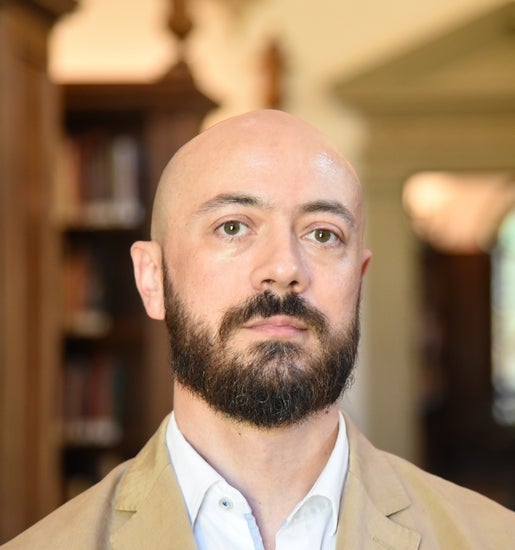
Adam Przywara is an architectural historian, curator, and postdoctoral researcher at the Institute for European Global Studies at the University of Basel, Switzerland. He holds an MA in Architectural History and Theory from The Bartlett, UCL, and a PhD in Architecture from the University of Manchester. His doctoral thesis received two of the most prestigious awards in the field: the Theodor Fischer Award (2024) and the SAH David B. Brownlee Dissertation Award (2025). He has curated numerous architectural exhibitions, including the major historical show Rising from Rubble: Warsaw 1945–1949 (Museum of Warsaw, 04–09.23), which received the Architectural Prize of the Mayor of Warsaw. He is currently finalizing his first monograph, Circular Reconstruction: Reuse, Recycling, Landfilling in Postwar Architecture (forthcoming 2027). In Basel, Adam is developing his second book-length project, which explores how, since the mid-19th century, the built environment has come to serve as a sink for industrial by-products.
Where No One Has Gone Before: The American Imagination of Space, 1930-1957
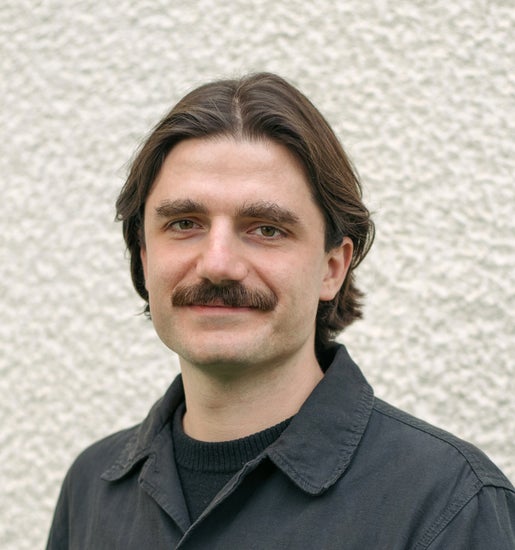
Katlin Risen is a PhD candidate in the Department of History at Duke University. Her general research interests include twentieth century United States history with a focus on cultural history in the fields of space history, children's history, women's history, and Cold War history. She is currently working on her dissertation which explores United States' space culture prior to the Space Race. In this she is primarily looking at a timeline from 1920 to 1960 to examine how Americans were imaging human futures among the stars and, simultaneously, employing the cosmos as an abstract arena to experiment with contemporary conditions, issues, and anxieties all before the first satellite of the Space Race was launched.
As a Linda Hall fellow, Risen will be examining the Library’s more cultural sources including educational materials, children’s books, and fiction novels which explain various aspects of astronomy in entertaining and/or scientific ways to readers of various levels and backgrounds. In these sources she will assess not only the textual aspect of the sources but also the visual and material components while also investigating public responses to such materials.
The Art of Gauging: Practical Mathematics and Statecraft in Early Modern English Commerce
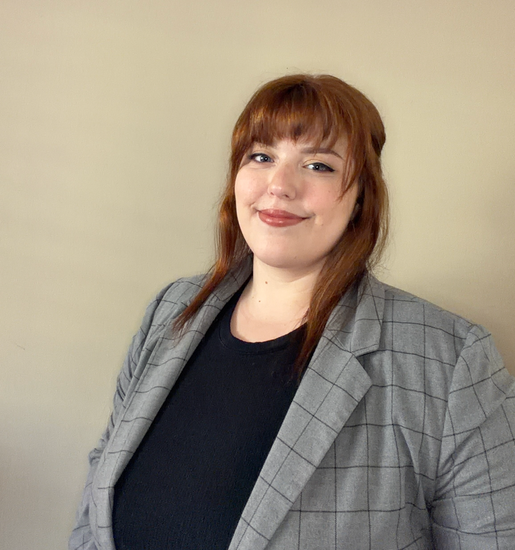
Guy M. Sechrist is a historian of science whose research examines the intersections of scientific knowledge-making, commerce, and statecraft in early modern Europe. He received his PhD in the History and Philosophy of Science from the University of Cambridge in 2022 and is currently serving as a Teaching Assistant Professor of History at the University of Tennessee, Knoxville. His work focuses on practical mathematics, scientific instrumentation, quantification, and administrative knowledge, particularly within the context of seventeenth- and eighteenth-century English commerce and governance.
During his Linda Hall Fellowship, Sechrist will complete research for his monograph, The Art of Gauging: Practical Mathematics and Statecraft in Early Modern English Commerce. The project explores how the measurement of wooden barrels using gauging rods, logarithmic tables, and mathematical instruments became central to England’s excise administration and the development of fiscal reliability during the seventeenth century. Drawing extensively on The Linda Hall’s collections in practical mathematics, surveying, navigation, and instrument literature, the project investigates how everyday practices of measurement helped stabilize revenue, support public credit, and shape the administrative culture of the early modern English state.
Contested Wings: The Hidden Fight to Control American Aviation
As an aviation historian, Seyer’s research focuses on how the airplane shaped debates in the United States over the government’s relationship with dual-use technology, influenced perceptions of expertise and ownership, and provided a vehicle for both expressing and modifying deep-seated cultural norms. In his first book, Sovereign Skies: The Origins of American Civil Aviation Policy, Seyer analyzed how various constitutional and international influences shaped the creation of aviation regulations in the United States in the years following World War I. Subsequent articles addressed how patents became an important yet previously unrecognized way to prevent the post-WWI dumping of British aircraft and an arena for competing visions of expertise.
The Pearson Fellowship in Aerospace History will support two projects. The AIAA collection and numerous resources on the U.S. patent system at the Linda Hall will greatly assist in the completion of his current book project, tentatively titled Contested Wings: The Hidden Fight to Control American Aviation, which details how the belief that a nefarious cabal controlled aircraft procurement after World War I and shaped American aviation policy into the Cold War. For the second project, in its exploratory stages, the Linda Hall possesses an extensive collection of resources on the model aircraft hobby throughout the twentieth century. These how-to guides and hobby magazines will provide an important window into hobbyist subculture that will serve as the foundation for a new project on technological hobbies and masculinity.
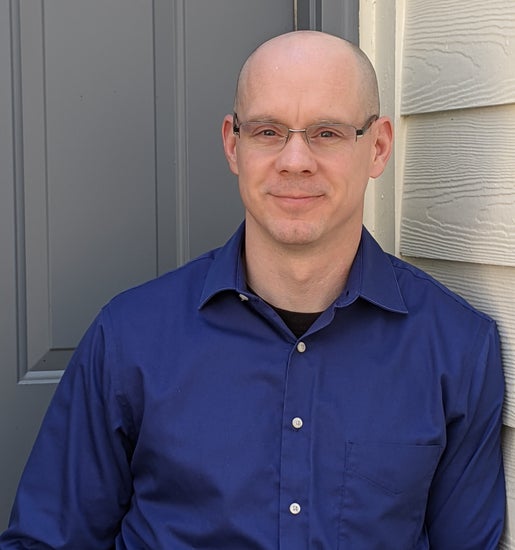
Cecilia Slane is a PhD candidate in the History of Science, Technology, and Medicine department at the University of Oklahoma. Her dissertation combines the history of science, technology, environment, energy, and empire to explore how environmental knowledge-making about peatlands in the 19th and 20th centuries contributed to the development of multiple scientific concepts, such as fossil fuel formation, plant succession, and ancient climate studies.
At The Linda Hall, Cecilia will be conducting primary-source and secondary-source research for multiple chapters of her dissertation about peat science in the 20th century United States and Canada. She will examine a variety of documents, such as international congress proceedings, academic texts, and government documents, to explore how the interest in manipulating peatlands for agricultural and energy purposes contributed to ecological knowledge that would, in the later part of the century, contribute to climate mitigation discourse and wetland restoration projects.
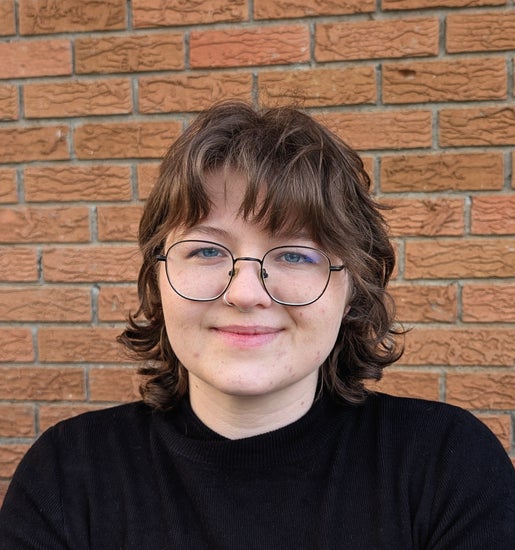
Adelheid Voskuhl teaches the history of technology in the Department of History and Sociology of Science at the University of Pennsylvania. Voskuhl received her PhD from the Department of Science and Technology Studies at Cornell University. Before joining the faculty at Penn, Voskuhl taught at the Department of the History of Science at Harvard University, first as an assistant professor then as an associate professor. Her first book Androids in the Enlightenment: Mechanics, Artisans, and Cultures of the Self (University of Chicago Press, 2013) received the Jacques Barzun Prize for cultural history in 2014. Voskuhl’s larger interests include the philosophy of technology, modern intellectual history, and theories of media and textuality.
Voskuhl is currently working on a book project on the role of the philosophy of technology in engineers’ efforts to constitute themselves as a new professional group and social elite during the Second Industrial Revolution. During her Linda Hall fellowship, Voskuhl will take an in-depth look at the Engineering Societies Library (ESL) collection. It is unique in its kind and makeup, how it came into being in the nineteenth century, the complex journey that eventually brought it to the LHL in the 1990s, and its central place in the field of Engineering Studies, and the place that it is now holding at the LHL as a curated digital collection.
Collecting the Subterranean: Mining and Minerals between Alto Perú and Spain, 1749–1809
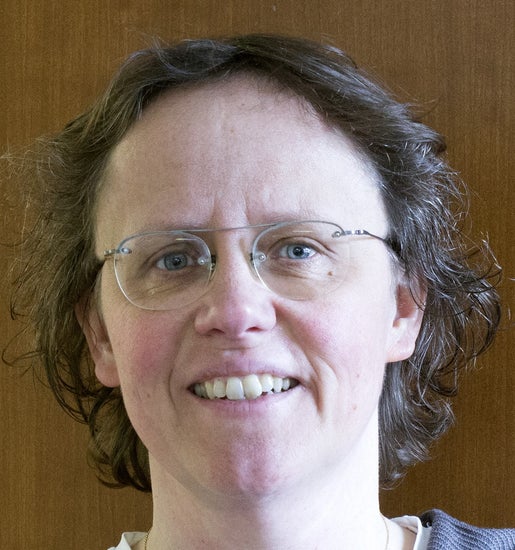
Annelise Walker is a historian of science, knowledge, and material culture, and a PhD candidate in Latin American History at Pennsylvania State University. Their dissertation “Collecting the Subterranean: Mining and Minerals Between Alto Perú and Spain, 1749–1809” reconstructs the social and material networks of mineral collecting that the Spanish Empire exploited to collect specimens from the mines of Alto Perú (modern-day Bolivia) for the Royal Cabinet of Natural History (RGHN). Their research combines diverse archival and material sources—including shipment catalogs, correspondence between naturalists and bureaucrats, miners’ legal testimony, and minerals themselves—to test the hypothesis that the RGHN directors’ desire to control rising tensions among Indigenous miners’, local officials’, and European naturalists’ logics of collecting (which specimens they considered valuable and chose to collect) engendered the transition from collecting minerals via the imperial bureaucracy to specialized mineralogical expeditions by the end of the 18th century. This project thus reveals the role of epistemological conflict in the major developments of 18th-century science, such as the specialization of natural history into subfields and the professionalization of those fields but also emphasizes that Indigenous altoperuanos laboring in the mining industry continued to shape the RGHN’s holdings by collecting and curating minerals despite this ever-changing scientific landscape.
Xiaona Wang is a postdoctoral researcher at the University of Warwick. She is the author of Handling Occult Qualities in the Scientific Revolution (Brill, 2023), and her research explores the intersections of natural philosophy, astronomy, and global knowledge exchange in the early modern period.
During her Linda Hall fellowship, she will work on a book project entitled: Academic Politics Across Eurasia: Jesuit Astronomy and the Uses of Chinese Evidence in the Newton Wars. This project uncovers how Jesuit missionaries transmitted Chinese astronomical data to Europe, where it was strategically deployed by Franco-British scholars to support or challenge Newtonian ideas. Drawing on The Linda Hall’s rare book collections, she reveals how non-European evidence became a powerful weapon in European scientific power struggles.
Elexis Trinity is PhD candidate in science and technology studies at Cornell University, where their central research interests concern the relationship between science, technology, and medicine, and the co-construction of environmental knowledge and ideas about what it means to be human. Their dissertation, Menfish, Mermaids, and Aquanauts, examines the emergence of anticipatory visions of aquatic humans and abundant blue futures during the postwar and Cold War eras in which scuba and saturation diving came to be an important, embodied way of knowing and producing knowledge about oceans, human bodies, and more-than-human evolutionary possibilities simultaneously.
At The Linda Hall, Elexis will advance this research using the library’s rich collections of primary and secondary materials on midcentury oceanography, scientific diving, conference proceedings, and popular science writings. In addition, they are excited to make use of the library’s collections on nineteenth and early twentieth century lead and zinc mining in the Tri-State Mining district of Kansas, Oklahoma, and Missouri, toward a second book project currently in development. This secondary project, Galena: A Romance (or Half-Lives of Lead in Galena, Kansas) examines the history of industrial and “poor man’s” mining in small-town Kansas and its entanglements with lead pollution, EPA remediation, and colonial histories of theft and land governance, drawing on the author’s own family history as miners in the region.

Rainforest on fire: our changing understanding of the tropical
Tiankui Zeng is a PhD candidate in the Department of History and Philosophy of Science and Medicine, at Indiana University, Bloomington. His research interests include the history and philosophy of the environmental sciences, mental health, and mathematics, as well as the history of philosophy of science. As a fellow at the Linda Hall, he will work on his dissertation project that explores the changing scientific understanding of the tropical rainforest. This history involves complex interactions among the environmental, physical, and life sciences, on the one hand, and philosophical, social, and environmental concerns, on the other. His project will benefit greatly from the rich collections of Linda Hall Library.